Module 6: Grain Rain
Daoyin for the Solar term
TCM Daoyin for 24 Solar Terms is compiled and taught by Master ZHANG Mingliang, the linage bearer of Emei School of Daoyin.
The movement is demonstrated by Ms CHEN Huijuan, one of the key disciples of Master Zhang.
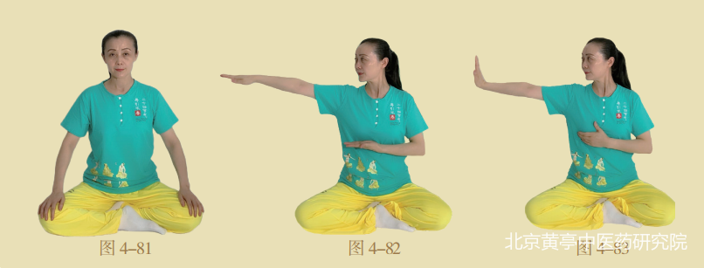
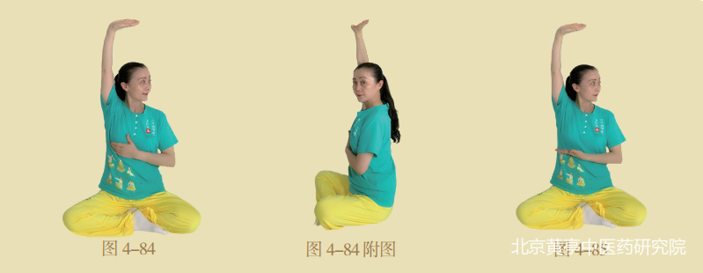
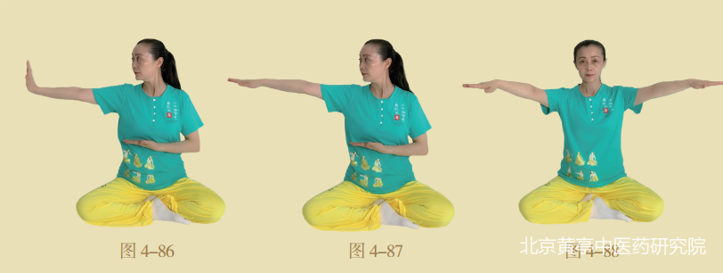
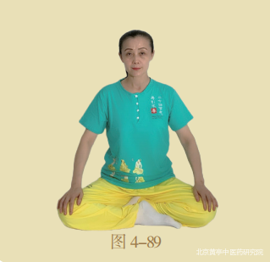
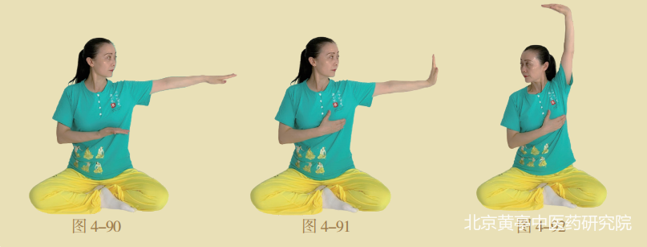
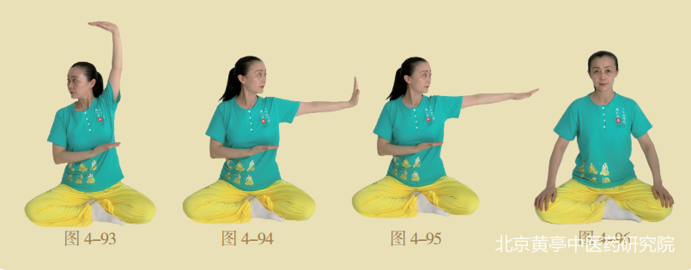
Four Common Palm Shapes in Qigong
The Lotus-Leaf Palm opens and spreads,
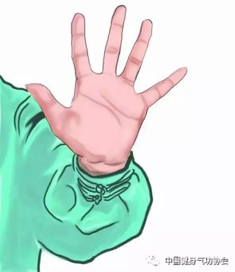
The Eight-Character Palm directs energy outward with clear intention,

The Willow-Leaf Palm gathers and focuses,

The Sumeru Palm supports upward lifting and spiralling directions.
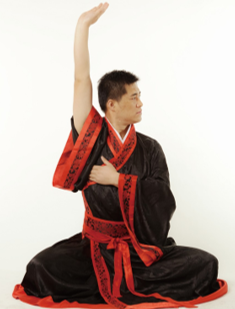
These four palm shapes are not just hand positions. In qigong, each one suggests a different way of organizing intention, structure, and the flow of qi: opening, gathering, directing, or lifting.
The Willow-Leaf Palm is defined mainly by the fingers being straight and together, while the Sumeru Palm is defined more by an upright, lifting structure, so the palm centre in Sumeru Palm usually has a clearer directional role.
Liver, Lung and Gallbladder Meridians
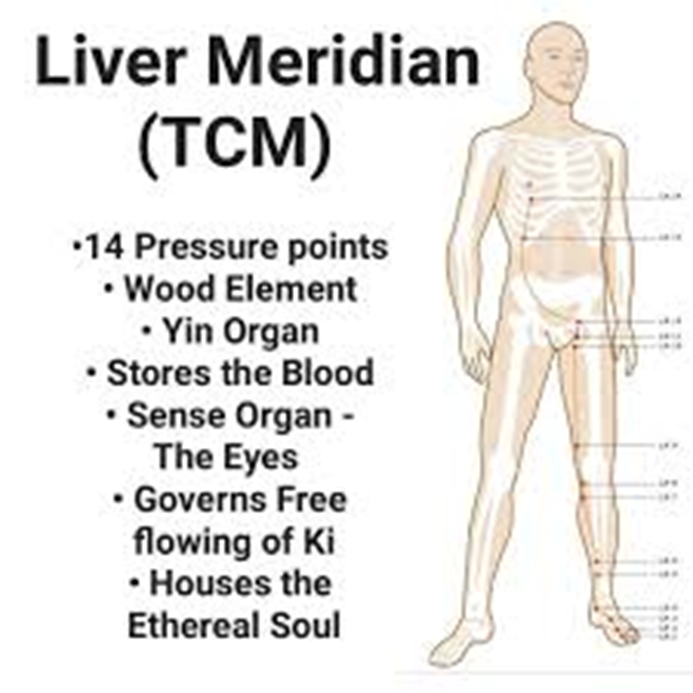
Liver Meridian
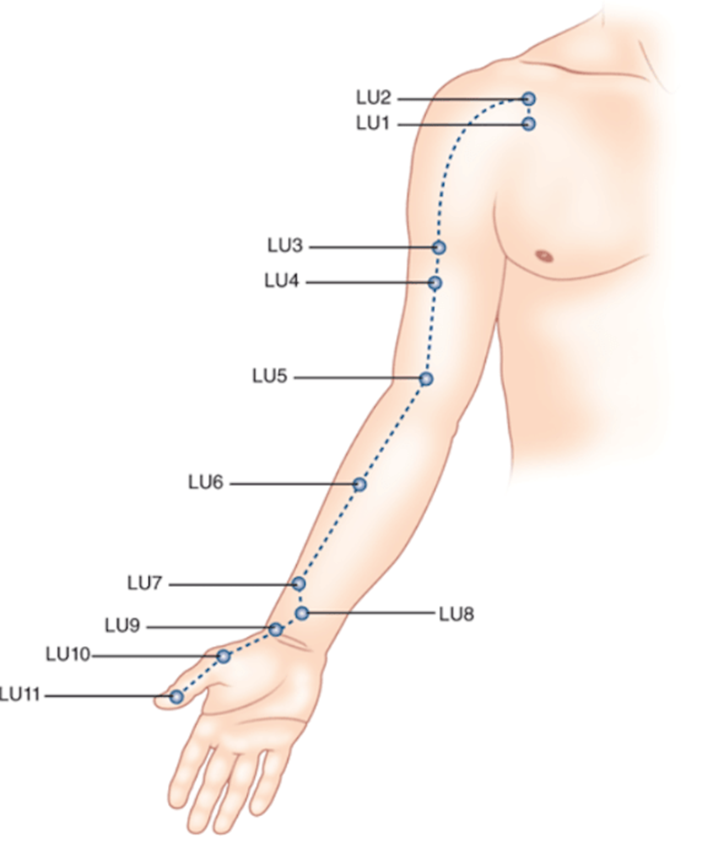
Lung Meridian
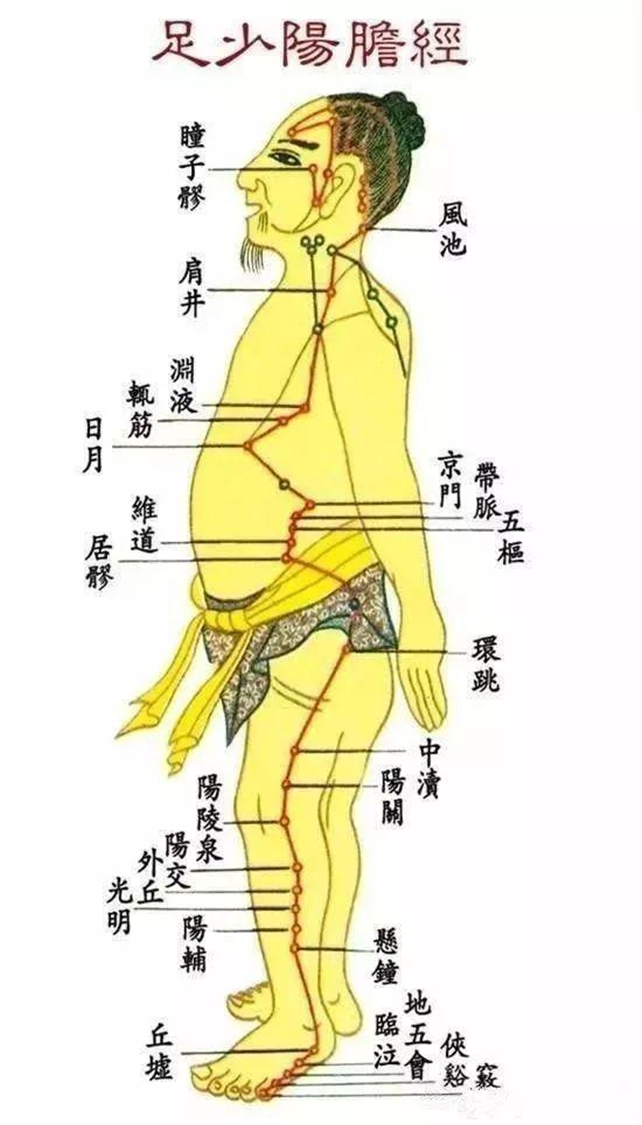
Gallbladder Meridian
Folk Customs at Guyu (Grain Rain) I
Hang up Guyu Amulet Prints
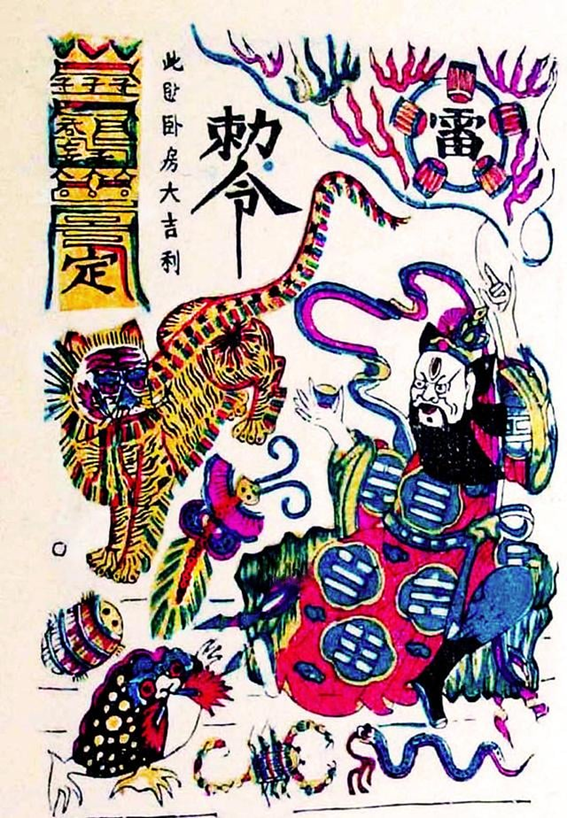
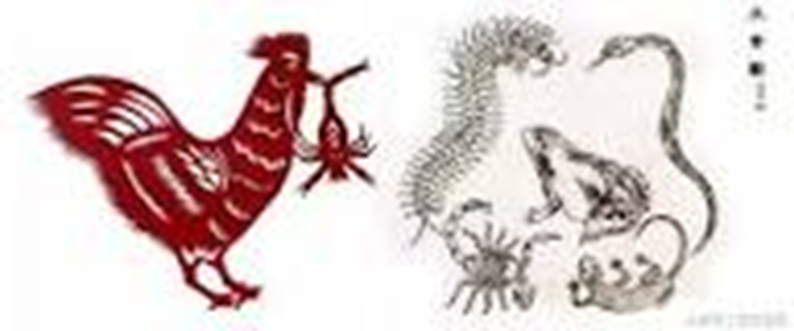
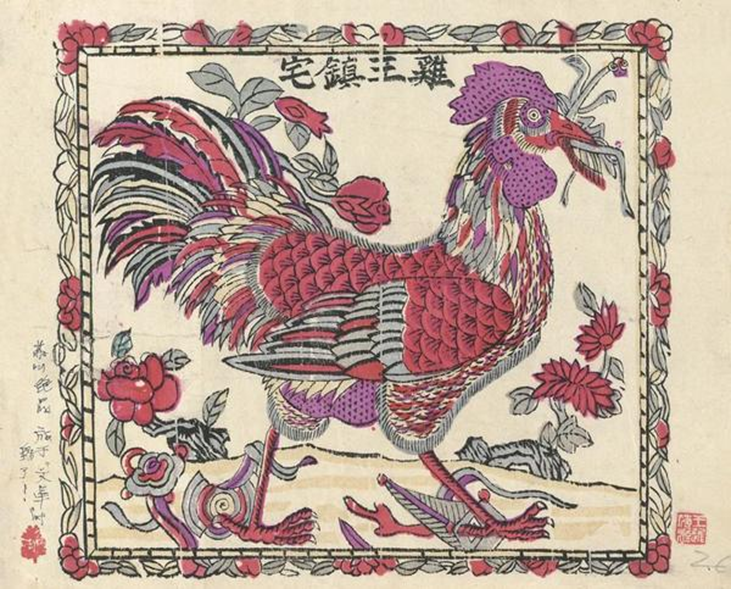
The divine rooster guarding the house: the rooster symbolizes the power to keeping the five poisonous creatures in check, namely:
scorpion(蝎子)
snake(蛇)
centipede(蜈蚣)
gecko(壁虎)
toad(蟾蜍)
Folk Customs at Guyu (Grain Rain) II
Admiring peonies across China
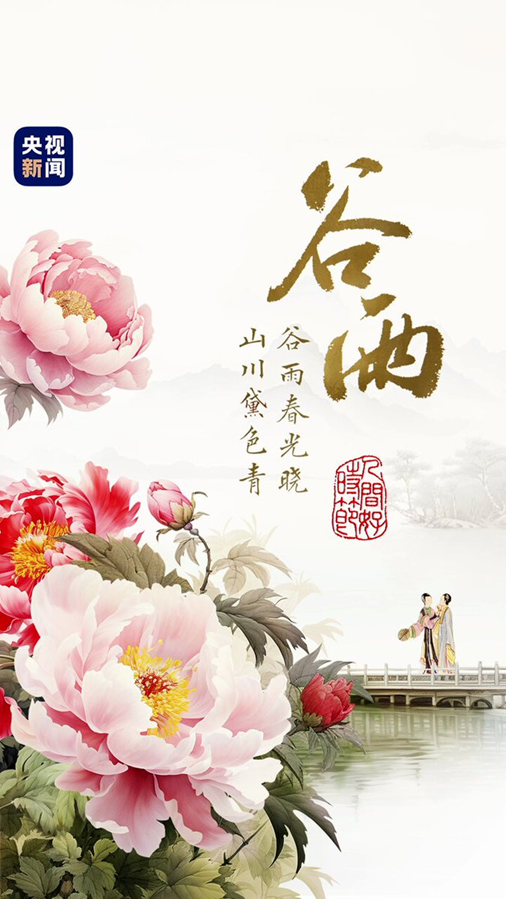
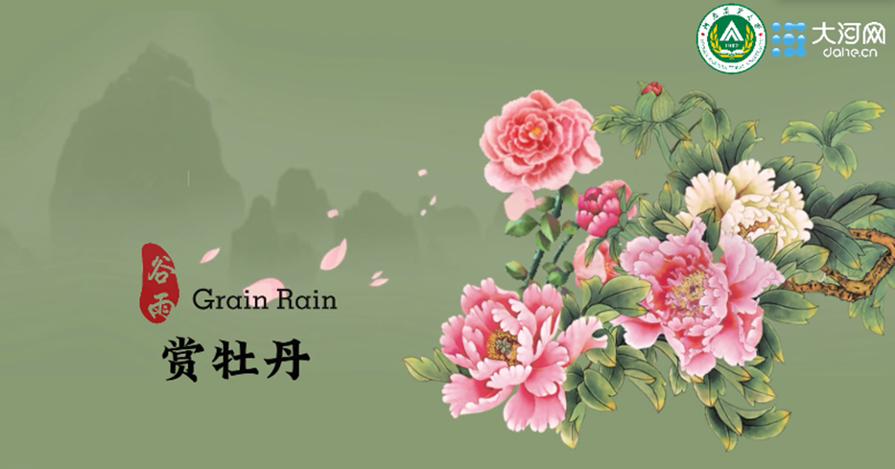
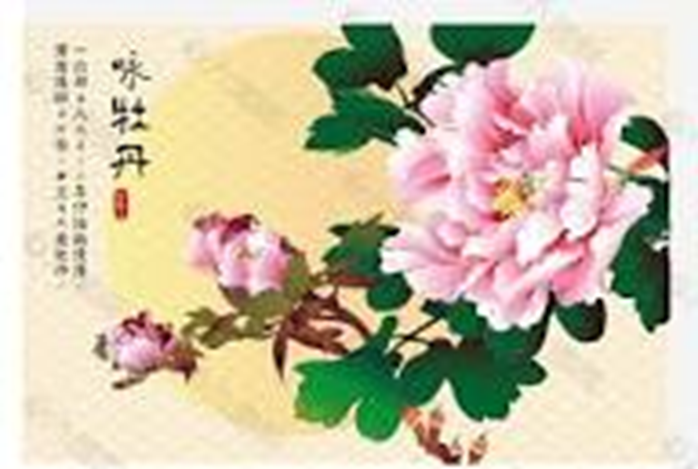
Most famous in Luoyang & Hezhe in Henan Province. One of the most culturally important flowers, it’s traditionally associated with wealth, honour, prosperity, high rank, and a flourishing life. Often called the “king/queen of flowers” and appears so often in Chinese art, decorative motifs, and seasonal festivals.
Folk Customs at Guyu (Grain Rain) III
Seasonal food culture
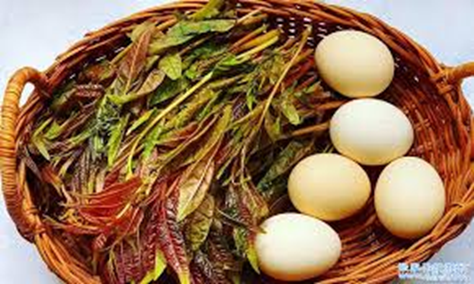
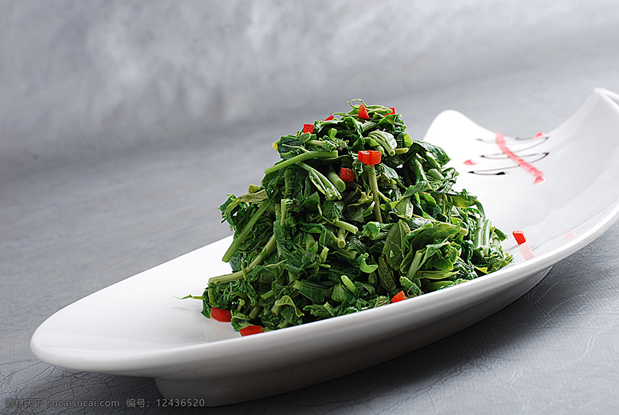
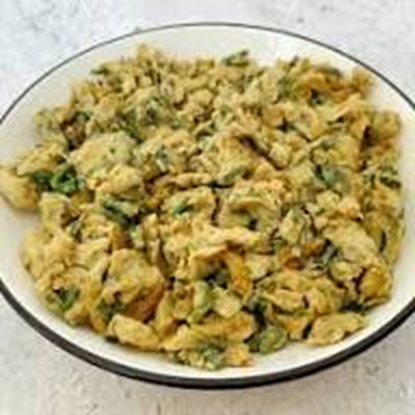
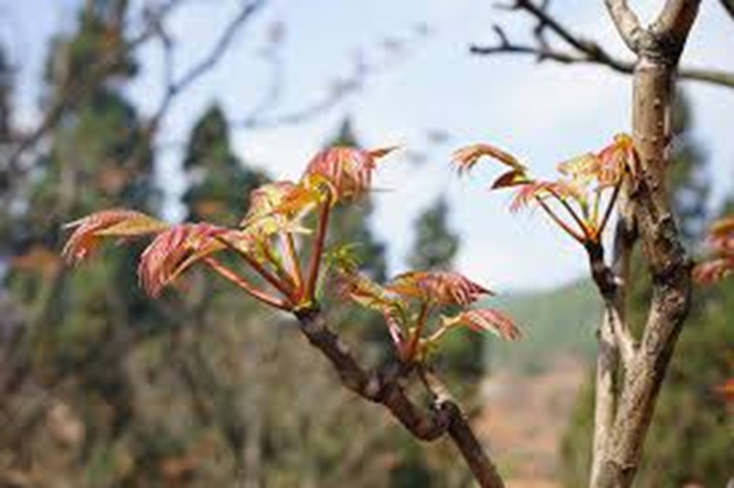
Chinese toon is a seasonal spring vegetable prized for its tender shoots, distinctive aroma, and nutritional value.
Usually stir-friend with eggs, or as a salad with crushed garlic.
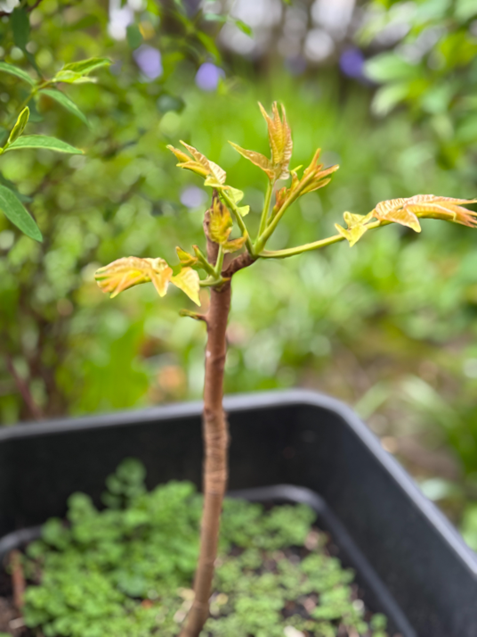
This is a gift from a friend, and it has been growing in the pot for 2 years. ->
Folk Customs at Guyu (Grain Rain) VI
Guyu Tea
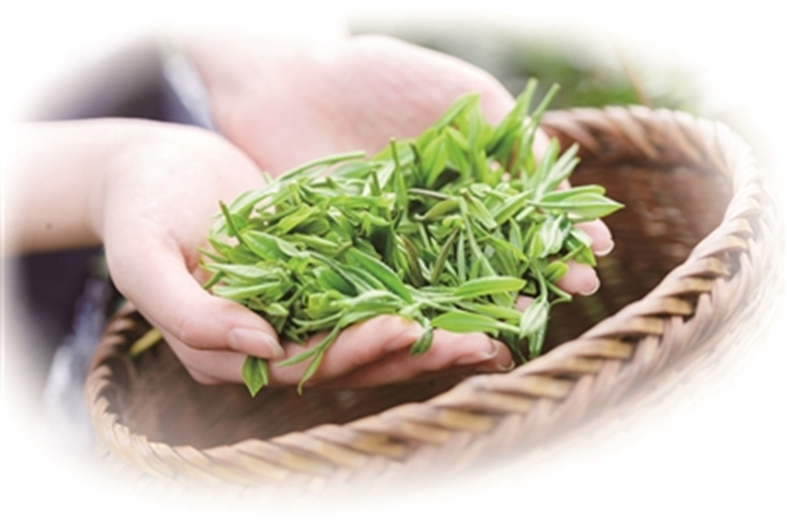
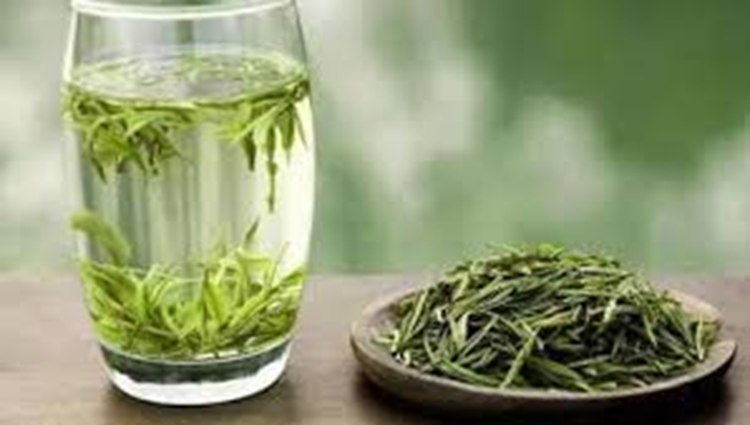
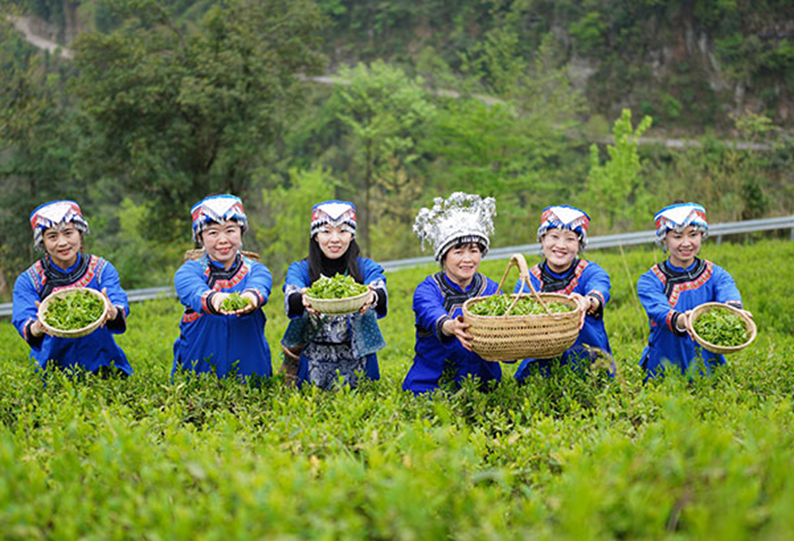
Guyu tea is expensive because it is a premium early spring tea made from scarce, tender leaves that must be carefully harvested by hand. It should be consumed in moderation because, like other green teas, it contains caffeine and may irritate the stomach, affect sleep, or interfere with iron absorption and some medicines.
In TCM terms, too “cold” in nature, so in moderation only.
Classical folk music depicting spring
江南春色:Spring in South China
https://www.youtube.com/watch?v=Tw8ccKxKbq4&list=RDTw8ccKxKbq4&start_radio=1
春到湘江:Spring arriving in Xiangjiang River
https://www.youtube.com/watch?v=7XlugCiCJvE&list=RD7XlugCiCJvE&start_radio=1
These two pieces are classics of spring-themed Chinese folk music because they vividly turn the feeling of spring into sound, through brightness, flow, freshness, and gentle vitality. Jiangnan Chunse evokes the soft, delicate beauty of spring in the south, while Chun Dao Xiangjiang captures the wider, brighter, more expansive energy of spring coming alive.
What is your favourite music piece or pop song that depicts spring?
Additional Resources
Videos:
Seasons of China: Solar Term 6 - Gu Yu (Grain Rain)
https://www.youtube.com/watch?v=tdjqUpD-650&list=PL3SL223bZUcoR_lcltt5Eoka2_U0jOxcz&index=7
Reflective Engagement
Please take a moment to reflect on your understanding of the current solar term. Think about how its core ideas are observed, interpreted, or applied in your own life.
We strongly encourage you to submit an original piece of work that showcases what you have learned, and how you experience the solar term. You may draw on personal observation, daily practices, or reflective analysis. For example, you are welcome to share sceneries of Guyu in your local area, your favourite dish during Guyu, a piece of literature that describes the beginning of spring, or a short recording of yourself practicing Guyu Daoyin moves. Possible formats include (but are not limited to):
a short essay
an annotated photo series
a short video/audio recording
Link for submission here.