Module 7: Beginning of Summer
立夏足运太极式 Lìxià zú yùn tàijí shi
Beginning of Summer: Tai Chi Foot Circulation
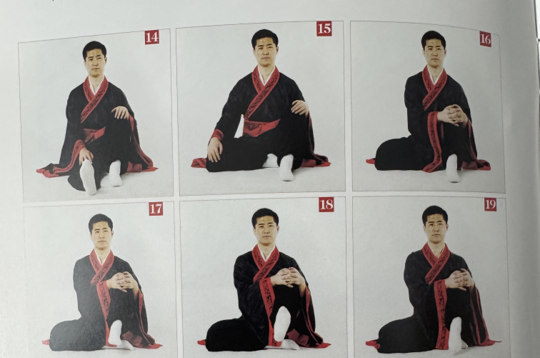
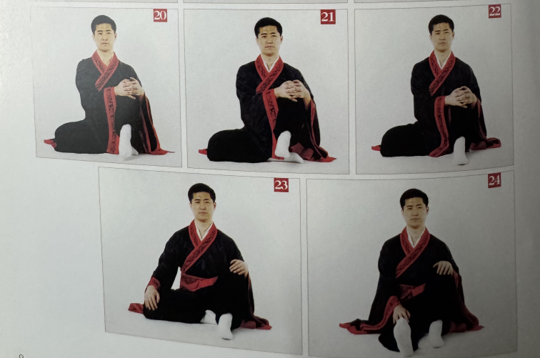

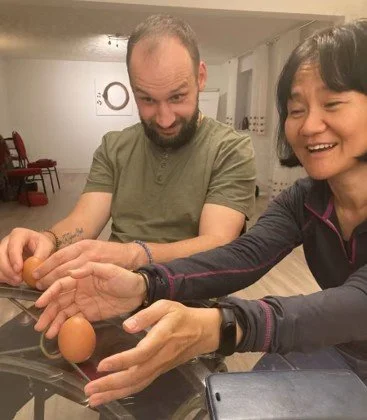
This group depicts the mirror images of circling the left ankle.
In TCM, feet are seen as the second heart of our body. Summer is the season of the heart.
Folk Customs at Lixia (Beginning of Summer)





Black Rice at Lixia 立夏乌米饭
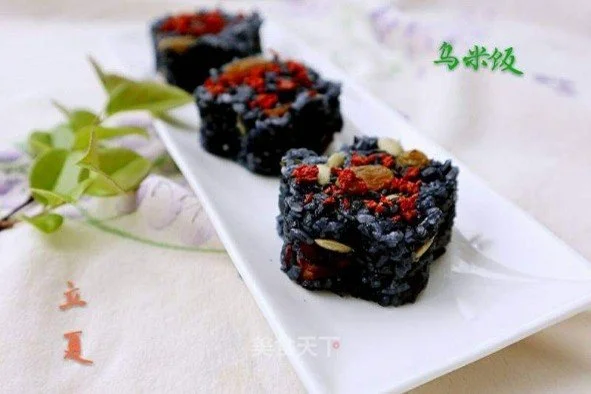
Lixia means “the Beginning of Summer” in the traditional Chinese calendar. In some parts of eastern China, especially Jiangsu and Zhejiang, people have a special custom on this day. During Lixia, they eat black glutinous rice, also called black rice.
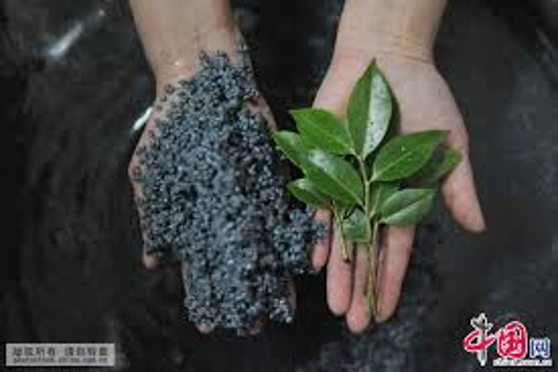
There is a folk story about this tradition. Long ago, Mu Lian, a disciple of the Buddha, wanted to help his mother, who was suffering in hell. He was afraid that hungry ghosts would steal the food he sent to her. So he used the juice of black rice leaves (南烛叶)to color the rice black. The ghosts did not dare to eat the black rice, and his mother was finally able to have a full meal. Because of this story, people in the Jiangnan area eat black rice every year to remember Mu Lian and his love for his mother.
Black rice is made in a traditional way. People collect the leaves of a wild plant, boil them in water, and use the dark liquid to soak glutinous rice for about half a day. Then they steam the rice until it is fully cooked. The finished rice is purple-black in color and has a pleasant smell and taste.
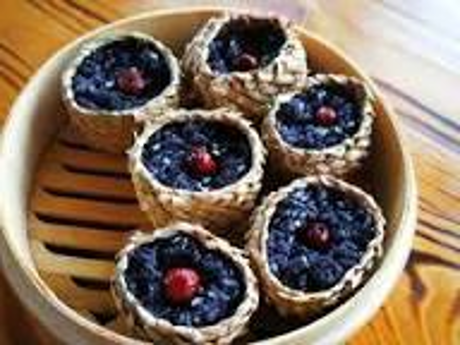
Black rice can be made in both sweet and salty styles. Sweet black rice may include sugar, raisins, red dates, and nuts. Salty black rice may include peas, salted meat, and diced bamboo shoots.
This food is not only delicious, but also an important part of a traditional festival custom. It shows how food, family love, and folk belief are connected in Chinese culture.
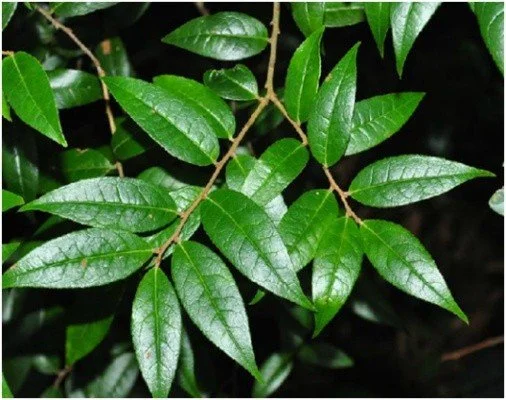
The special leaf used in black rice is called wufan leaf, and it is usually identified as Vaccinium bracteatum Thunb. According to the Royal Botanic Gardens, Kew, it is a plant species in the blueberry family. People use the leaf juice to dye glutinous rice a deep purple-black colour. In Chinese folk tradition, the leaf is believed to help protect health by aiding digestion in the early summer season. Modern studies suggest that it contains compounds with antioxidant and anti-inflammatory potential, although more research is needed to confirm its effects in humans.